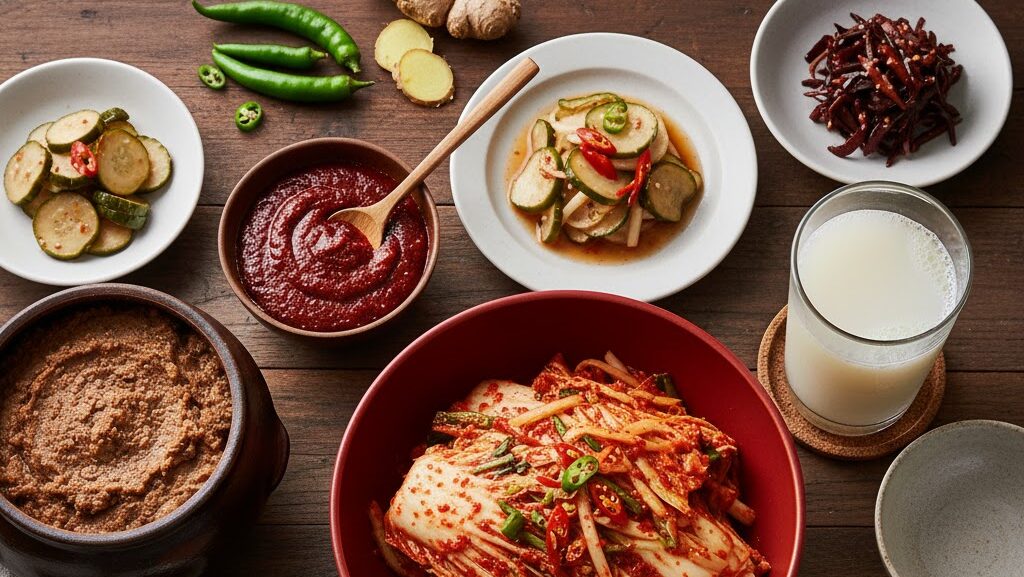
For years, I struggled with digestive issues and low energy, wondering if there was a natural way to heal from within. That search led me back to my roots: Korean fermented foods and their incredible impact on microbiome health.
In this post, I want to share my personal experience with these ancient superfoods that have been the cornerstone of Korean longevity for centuries. If you are looking to revitalize your gut, these insights will change the way you look at your plate.
Why the Gut Microbiome Matters to Me
I used to think that “health” was just about calories, but I realized it is actually about the ecosystem living inside us. The gut microbiome influences everything from our immune system to our mental clarity.
When I started incorporating traditional Korean flavors into my daily routine, I noticed a significant shift in my digestion and overall well-being. Science now confirms what Koreans have known for generations: fermentation creates a powerhouse of probiotics.
Quick Summary Checklist
- [ ] Focus on diverse fermented sources like Kimchi and Doenjang.
- [ ] Eat small portions consistently rather than large amounts occasionally.
- [ ] Pair fermented foods with high-fiber vegetables for maximum effect.
- [ ] Choose unpasteurized versions to ensure live bacterial cultures.
My Top 5 Recommendations for Gut Health
1. Kimchi: The Ultimate Probiotic Powerhouse
Kimchi is more than just a side dish; it is a living culture of Lactobacillus bacteria. I started eating a small serving with every meal, and the bloating I once felt began to disappear.
2. Doenjang (Fermented Soybean Paste)
Unlike miso, Doenjang undergoes a much longer fermentation process. This creates deeper flavors and a higher concentration of beneficial microbes that survive the cooking process better than other pastes.
3. Gochujang (Fermented Chili Paste)
I love the spicy kick of Gochujang, but its real value lies in the metabolic boost it provides. The fermentation of red chili peppers and glutinous rice creates a unique digestive aid.
4. Makgeolli (Sparkling Rice Wine)
In moderation, unrefined Makgeolli is a fantastic source of dietary fiber and vitamins. I enjoy the “live” versions that are still fermenting in the bottle for a refreshing probiotic boost.
5. Jangajji (Pickled Vegetables)
These soy-sauce-based pickles are my go-to for adding crunch and acidity to a meal. They provide a diverse range of bacteria that help balance the gut flora.
Step-by-Step Action Guide: How to Start
- Start Small: Add one tablespoon of Kimchi to your lunch today.
- Swap Your Salt: Use a teaspoon of Doenjang to season your soups instead of plain salt.
- Read Labels: Ensure you are buying “naturally fermented” products without added preservatives that kill good bacteria.
FAQ: Common Questions About Korean Gut Health
Q: Is Kimchi too spicy for a sensitive gut?
A: Not at all. You can find “Baek-kimchi” (White Kimchi), which is fermented without chili flakes but offers the same probiotic benefits.
Q: Can I cook fermented foods, or will it kill the bacteria?
A: While extreme heat can reduce live cultures, many beneficial enzymes and postbiotics remain. I suggest eating some raw and some cooked.
Q: How long does it take to see results?
A: Personally, I felt a difference in my digestion within two weeks of consistent consumption.
I hope my journey inspires you to explore the world of Korean fermentation. Taking care of your gut is the first step toward true longevity and wealth.
Best regards,
Jay Author of Health & Wealth: The Korean Longevity Path
If you enjoyed this post, you might also like: 7 Proven Kimchi Gut Health Benefits: The Science of Korea’s Ultimate Superfood