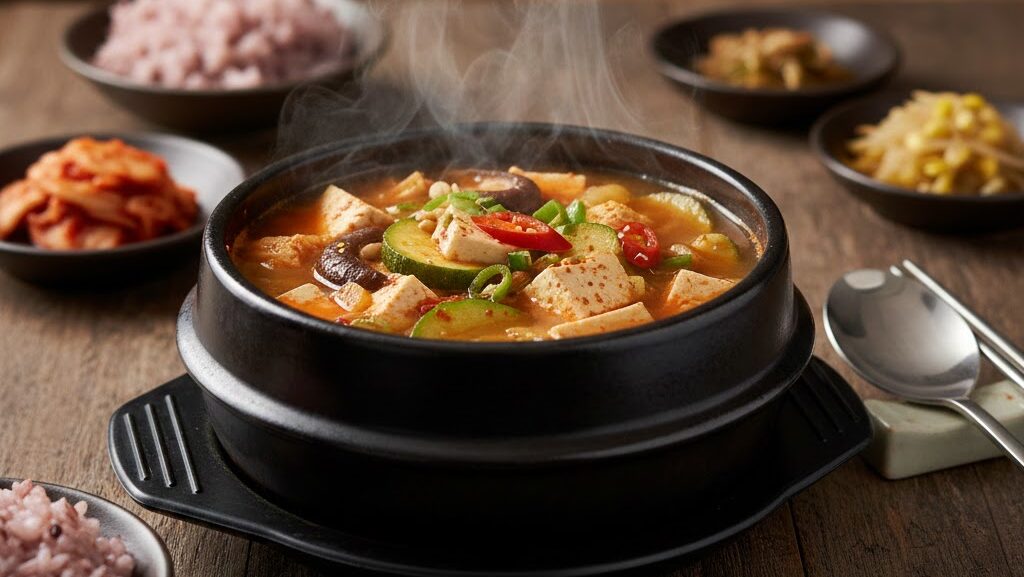
Hello there! I’m Jay, and I am so excited to share one of my most cherished kitchen secrets with you today.
Introduction
After years of experimenting in my own kitchen, I have finally perfected a Doenjang-jjigae recipe that tastes exactly like the deep, smoky stews served in the best countryside restaurants in Korea. Finding that perfect balance of salty, savory, and earthy flavors was a journey of trial and error, but the results I’ve achieved are undeniable. If you have been looking for the ultimate comfort food that heals the soul and boosts your health, this guide is exactly what you need.
Why This Doenjang-jjigae Recipe is a Game Changer
I believe that Doenjang-jjigae recipe success lies in the quality of the “Doenjang” (fermented soybean paste) and the depth of the broth. In my experience, skipping the broth-making step is the biggest mistake most beginners make.
Most people think it’s just a salty soup, but when done right, it is a complex masterpiece of fermentation. I have served this to dozens of international friends, and the verdict is always the same: they can’t stop at just one bowl.
The Health Powerhouse in Your Bowl
Korean soybean paste is packed with probiotics and bioactive compounds. By following my specific simmering method, you retain the nutritional integrity while maximizing flavor.
Quick Summary Checklist
✅ Essential Doenjang-jjigae Success Kit
- [ ] High-Quality Doenjang: Use a mix of commercial and artisanal paste if possible.
- [ ] Anchovy & Kelp Broth: Never use plain water; depth starts here.
- [ ] Rice Water (Ssal-tteumul): Use the water from washing rice for a thicker consistency.
- [ ] The Vegetable Trinity: Onion, zucchini, and potato are non-negotiable.
- [ ] Tofu & Aromatics: Soft tofu and plenty of minced garlic.
Step-by-Step Action Guide to the Perfect Stew
Step 1: Preparing the Base (The Secret Ingredient)
I always start by washing my rice and saving the water from the second or third rinse. This starch-heavy water acts as a natural thickener and helps the flavors of the fermented paste bind together perfectly.
Step 2: Crafting the Deep Umami Broth
Place dried anchovies and a piece of dried kelp (Dashima) into your rice water. Boil this for about 10 minutes, then remove the solids to leave a clear, golden liquid.
Step 3: Selecting Your Vegetables
I prefer dicing my potatoes and zucchini into small, uniform cubes. This ensures that every spoonful contains a bit of everything, providing a consistent texture throughout the meal.
Step 4: The Sauté Technique
Before adding the liquid, I sometimes lightly sauté my firmer vegetables (like potatoes and onions) with a tiny bit of beef or brisket. This adds a layer of fat that carries the Doenjang flavor beautifully.
Step 5: Incorporating the Paste
Do not just dump the paste into the boiling water. I use a fine-mesh strainer to dissolve the Doenjang into the broth, ensuring a smooth texture without large, gritty soybean chunks.
Step 6: Simmering for Depth
Add your tofu and mushrooms last. Let the stew simmer on medium-low heat for at least 15 minutes to allow the fermented flavors to penetrate the vegetables.
Step 7: The Finishing Touch
Just before turning off the heat, I add sliced green onions and a sprinkle of Gochugaru (Korean chili flakes). This adds a vibrant color and a subtle kick that cuts through the richness.
Ingredient Proportions Table
| Ingredient | Amount | Function |
| Doenjang | 3-4 Tablespoons | The savory, fermented soul of the dish. |
| Rice Water | 3 Cups | Provides body and a smooth mouthfeel. |
| Tofu | 1/2 Block | Adds protein and a soft contrast. |
| Zucchini | 1/2 Medium | Adds a subtle sweetness and texture. |
| Minced Garlic | 1 Tablespoon | Essential for a sharp, aromatic finish. |
Special Tips and FAQ
Q: Can I make this recipe vegan?
Absolutely! I often substitute the anchovy broth with a shiitake mushroom and kelp broth. The mushrooms provide that necessary “umami” punch without using seafood.
Q: My stew tastes too salty. How can I fix it?
This happened to me many times when I first started. Simply add more rice water or a few more slices of potato; the potato acts like a sponge for excess salt.
Q: What is the best type of Doenjang to use?
If you are at a grocery store, look for “Tojong Doenjang” for a deeper, more traditional taste. I personally like mixing two different brands to create a more complex profile.
Jay’s Personal Insight
In my journey as a cook, Doenjang-jjigae has taught me the value of patience. It’s not a dish you can rush with high heat and a microwave. It requires the slow extraction of flavors and a respect for fermented ingredients that have aged for months or even years. To me, this stew represents “Jeong” (a Korean concept of deep affection and attachment). When I cook this for someone, I am sharing a piece of my heritage and my home. I’ve found that the best bowls are the ones shared on a cold rainy day, served alongside a simple bowl of warm purple rice. It’s not just food; it’s a warm hug for your stomach.
It was a pleasure sharing this recipe with you today. I hope you find as much comfort in this stew as I do. If you have any questions about the ingredients or the process, please feel free to leave a comment!
Happy cooking,
Jay
If you enjoyed this post, you might also like:
7 Proven Kimchi Gut Health Benefits: The Science of Korea’s Ultimate Superfood